
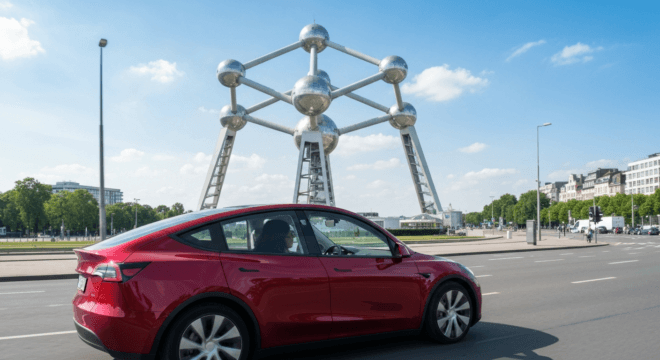
Imagine cruising through the streets of Brussels without touching the steering wheel. That vision got a step closer when Belgium gave the green light to Tesla’s Full Self-Driving (FSD) software. This isn’t just a win for Tesla—it’s a signal that autonomous driving is inching toward mainstream acceptance, one country at a time.
Why Belgium Matters
Belgium might not be the first country you think of when it comes to self-driving tech, but its approval carries weight. As a European Union member, Belgium’s endorsement could influence other EU nations. The approval allows Tesla to deploy FSD on Belgian highways and, potentially, urban streets—though the software still requires driver supervision. It’s a cautious step, but it’s a step.
For context, Tesla has been rolling out FSD incrementally: first in North America, then parts of Asia, and now Europe. Each market has its own regulatory hurdles. Belgium’s decision shows that regulators are warming up to the idea, provided safety data supports it.
What FSD Actually Does (and Doesn’t Do)
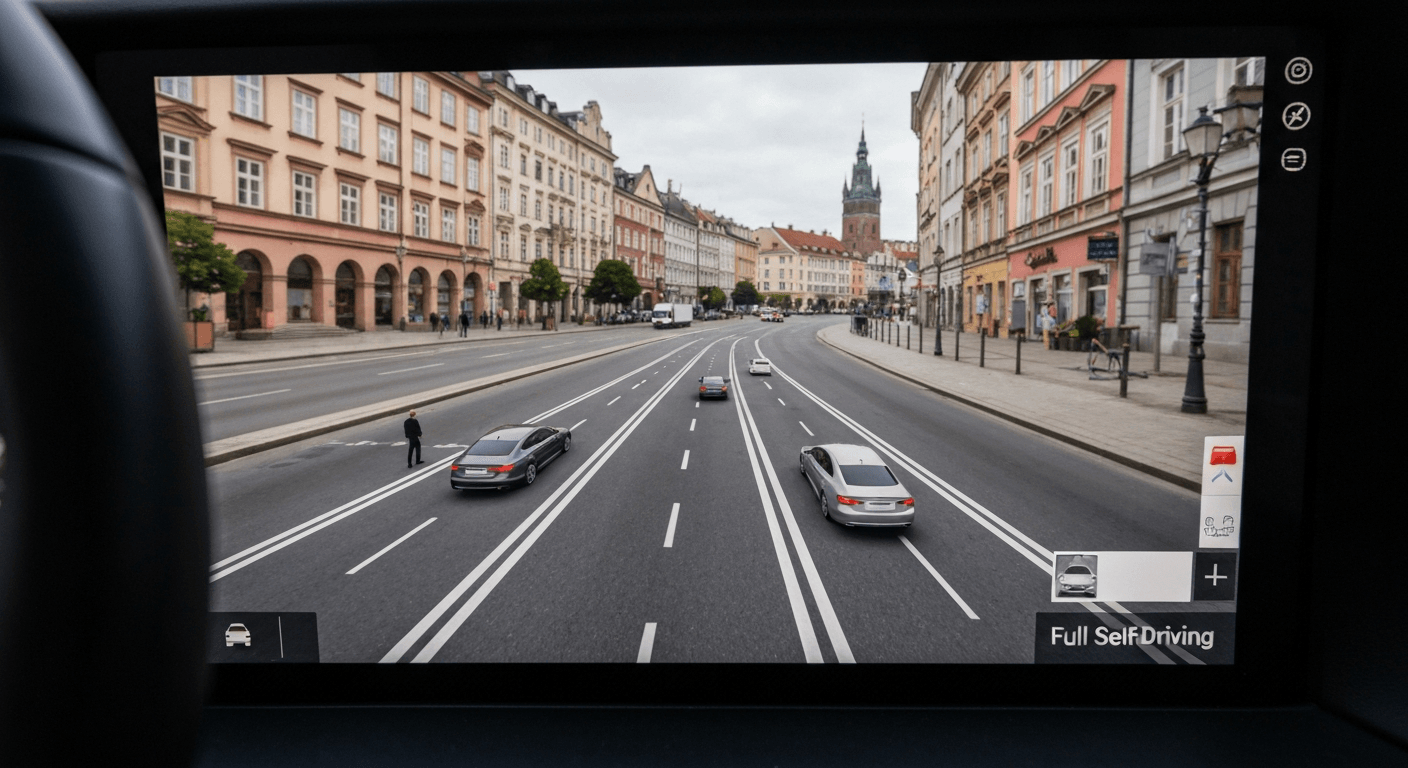
Let’s be real: the name ‘Full Self-Driving’ is a bit of a stretch. Currently, FSD is a Level 2 system—meaning the car can accelerate, brake, and steer, but you need to keep your hands on the wheel and eyes on the road. It’s not true autonomy like Level 4 or 5. The software handles highway merges, lane changes, and even traffic lights and stop signs, but unexpected situations still require human intervention.
The underlying technology is a mix of cameras, neural networks, and massive amounts of real-world driving data. Tesla’s approach is vision-only (no lidar), which keeps costs down but raises eyebrows among critics who argue lidar is safer. Still, the software improves over the air, so your car literally gets smarter while parked in your garage.
Regulatory Landscape: Europe’s Patchwork
Europe is not a monolith when it comes to autonomous driving. Each country has its own testing and deployment rules, often based on UNECE regulations. Germany allowed Tesla to test FSD earlier, but with strict conditions. Belgium’s approval follows similar guidelines: mandatory driver monitoring, data logging, and limited operational design domains.
What’s interesting is that Belgium’s approval covers both highways and secondary roads—unlike some countries that restrict self-driving to highways only. That’s a big deal because urban driving is far more complex. It shows regulators are willing to expand the envelope, even if it means more scrutiny.
Competition and the Software Race
Tesla isn’t the only player. Waymo, Cruise, and Mobileye are also pushing autonomous software, but they target Level 4 (geofenced robotaxis) from day one. Tesla’s strategy is different: start with driver-assist, collect data, and gradually remove the human. Both approaches have merits, but Tesla’s advantage is scale—millions of cars already on the road gathering data every second.
But scale alone isn’t enough. Software reliability is key. Tesla’s FSD has faced recalls and controversies: phantom braking, failure to recognize certain objects. Belgium’s approval likely came after Tesla demonstrated improved performance metrics. The software is still a work in progress, and regulators are watching closely.
What This Means for the Software Industry
FSD is a massive software undertaking—millions of lines of code, real-time decision making, and integration with vehicle hardware. For software developers, it’s a goldmine of challenges: computer vision, sensor fusion, path planning, and edge cases. The approval in Belgium could spur more investment in autonomous driving software startups across Europe.
Also, it validates the over-the-air update model. Instead of buying a new car for new features, your car’s software evolves. That’s a paradigm shift for the automotive industry, which traditionally relied on model-year hardware upgrades. Other automakers are following suit—Ford, GM, Mercedes—but Tesla remains the benchmark.
The Road Ahead
Belgium’s approval is a milestone, but it’s not the final destination. True Level 5 autonomy is still years away, and the path is littered with technical, legal, and ethical hurdles. What this shows is that progress is real. Each approval builds a foundation of trust between regulators and tech companies. For Tesla, it’s another stamp of approval that their software can handle European roads.
If you’re a tech enthusiast or a driver, keep an eye on Belgium. The FSD release there will generate valuable data that could shape how autonomous software evolves in the continent. And maybe, just maybe, you’ll soon take your hands off the wheel while your Tesla navigates the cobblestone streets of Ghent.