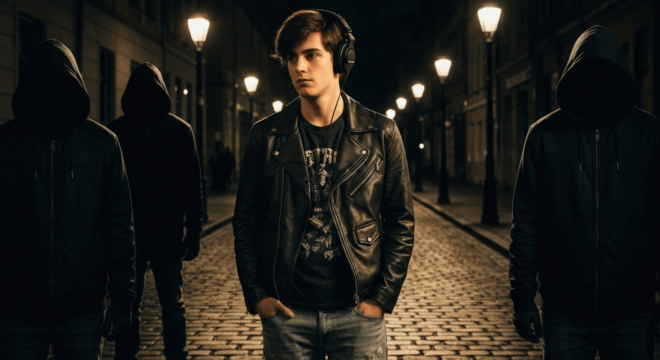
Picture this: a teenager with an incredible voice is approached by a friendly ‘scout’ after a local gig. They promise recording contracts, fame, and fortune. The dream seems real. But behind the smile hides a web of coercion, drug trafficking, or human exploitation. This isn’t fiction—it’s a growing pattern across the globe.
The Lure of Music as a Recruitment Tool
Criminal organizations have always looked for ways to attract vulnerable people. Music, with its universal appeal and promise of escape, is a perfect hook. In Latin America, for example, cartels have been known to fund local bands or offer ‘opportunities’ to singers in exchange for smuggling or money laundering. In Europe, human traffickers use fake music agencies to lure young hopefuls into forced prostitution or labor.
Why music? Because it taps into emotion, ambition, and the desire for recognition. A young person practicing scales at home might ignore warning signs when a stranger offers them a stage. The criminal network provides equipment, transportation, and initial success, creating a dependency that’s hard to break.

Real Cases You Should Know
The Narco-Corrido Phenomenon in Mexico
In northern Mexico, narcocorridos—ballads that glorify drug lords—have long blurred the line between music and crime. But recently, the trend has reversed: cartels now actively recruit musicians to perform at private parties or embed themselves in the industry. Some artists discovered that their ‘managers’ actually belonged to the Sinaloa Cartel, leaving them trapped in a violent world.
Fake Talent Agencies in Eastern Europe
Between 2015 and 2020, authorities in Romania and Bulgaria dismantled several networks posing as music production companies. They advertised online, inviting singers to auditions. Once selected, victims were forced into exploitative contracts, blackmailed, or transported abroad for forced labor. One survivor recalled: ‘They told me I’d be the next big pop star. Instead, I ended up cleaning apartments without pay.’
How to Spot the Red Flags
- Too-good-to-be-true offers: If someone promises immediate fame without a track record, be skeptical.
- Pressure to isolate: Networks often ask recruits to cut ties with family or move far away quickly.
- Vague contracts: Legitimate producers provide transparent agreements. Avoid signing anything without legal advice.
- Requests for money: Real talent scouts don’t ask for upfront fees for ‘demo production’ or ‘registration.’
Prevention and Awareness
Education is the best defense. Music schools, community centers, and online platforms should include awareness sessions about trafficking and exploitation. Parents and mentors must stay involved—encourage young artists to share their plans and verify any industry contacts through official channels. Governments in countries like Colombia and Italy have launched hotlines specifically for musicians who feel trapped.
The music world can be magical, but it also attracts predators. By staying informed and watchful, we can ensure that talent remains a source of joy, not a ticket to danger.